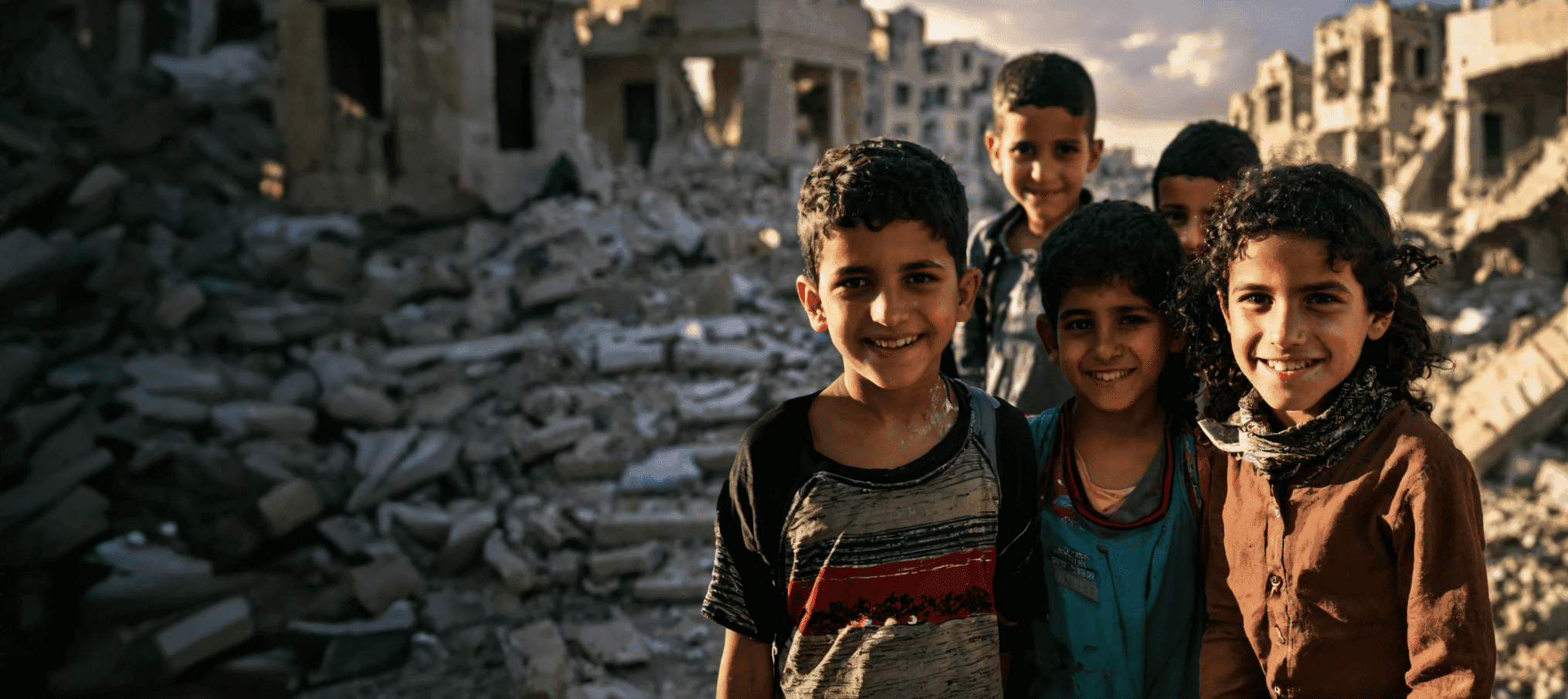


"Another Middle East" returns: a story from El Minya, Egypt, where Christian faith today challenges poverty and the exodus of the young.
A Millennial Faith Between the Nile and the Desert
The road toward Upper Egypt starting from Cairo cuts through fields and remote villages: a narrow strip of green squeezed between the Nile and the desert sands. El Minya lives upon this fracture: the governorate runs along the river and, just beyond the cultivated plains, becomes arid land. The city of Minya, the capital, lies about 250 kilometers from Cairo.
Here, the Christian presence is among the highest in the country: according to the US State Department, Minya is the governorate with the largest share, approximately 50% of the population. In this context, Abu Qurqas, on the western bank of the Nile, is called the "Vatican of Egypt," a reflection of a social fabric where Christian life is a deeply rooted and highly visible reality.
Directly opposite, on the eastern bank, the cliffs of Beni Hasan with their Middle Kingdom tombs continue to bear witness to a history spanning millennia.
Father Michael and Egypt, "Mother of the World"
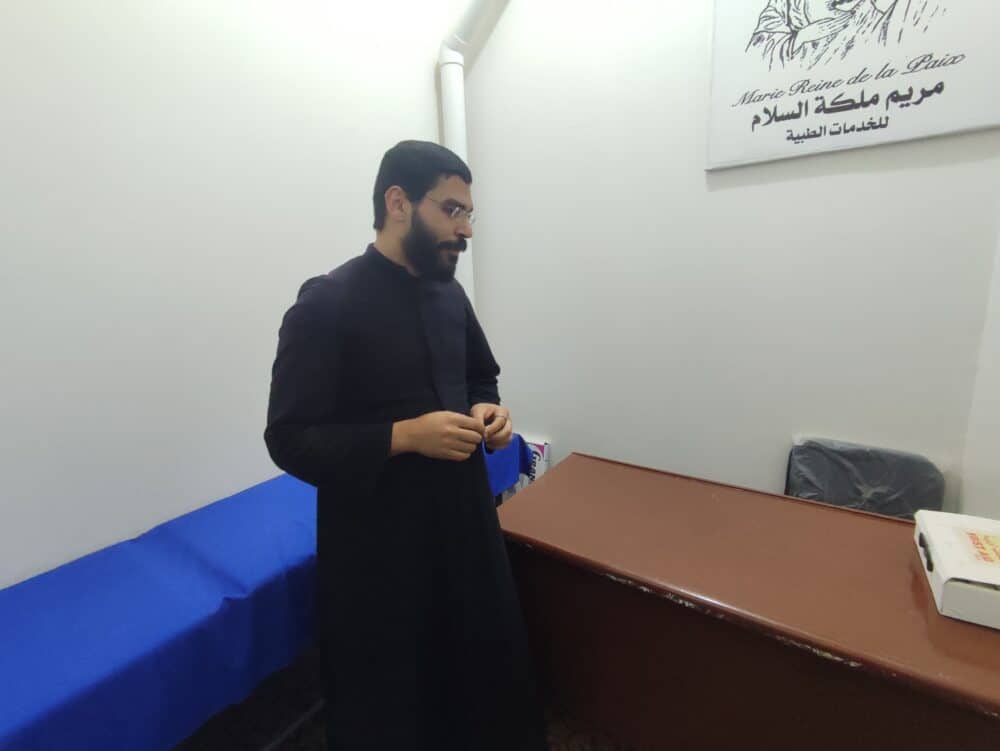
Here we meet Father Michael—"Mike" to everyone—who, over a plate of rice and soup, tells us a story of wounds: "In the beginning, Christians came here to flee persecution, seeking less exposed places to live in peace."
People moved and took root where the desert offered shelter, transforming monasticism into the backbone of the community. Mike studied in Rome at the Urbaniana College, but he returned to his land with a precise conviction: "Egypt is the mother of the world," he says, rejecting the idea of Upper Egypt being relegated to a mere periphery.
In these lands, Christian life holds together the past of the Desert Fathers with the daily resistance of the present, which is full of hardships and difficulties (not only economic, but social as well).
Helping Those Who Choose to Stay
In his parish, which serves about 150 families, faith also becomes a matter of mutual aid. And in this small community, many are in need. "In our churches, many poor people ask for support." They ask for medicine—"Medicine," he repeats curtly—they ask for check-ups, surgeries, emergencies that arrive without warning. Then there is school, because without notebooks, children fall behind.
But the most difficult request to fulfill is the least visible one: the hope that a son does not necessarily have to leave, that one can choose to stay.
Help arrives however it can, especially during the holidays: at Christmas and Easter, the "food parcel" worth at least 500 Egyptian pounds (about €10) becomes fundamental for a network of friendship that tries to leave no one behind and responds to whoever knocks with an urgent request.
The Exodus of Youth in Egypt
An unexpected obstacle to social cohesion is marriage, which here represents the true gateway to adulthood. Tradition dictates a division of expenses that has become unsustainable: the husband must provide part of the housing, while the bride provides the bedroom, the kitchen, and the carpets. In a subsistence economy, these rules turn into a wall.
Parishes try to withstand the impact with local projects and communal funds, because when money is tight, marriage stops being a celebration and becomes a denied right.
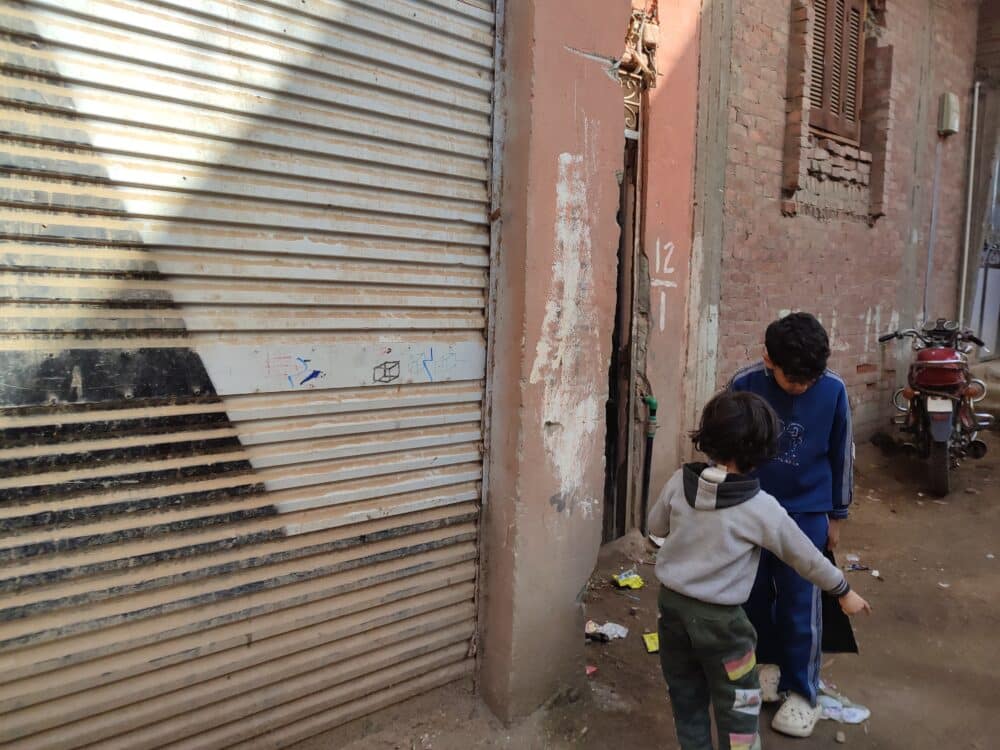
The biggest problem, however, remains emigration. "All the young men are away," Mike explains, listing the destinations: Greece, Cyprus, the Gulf, the United States. Often, only women, children, and the elderly remain in Egypt. It is a slow emptying that wears down the social fabric: less work, fewer marriages, less of a future. Even church life suffers this continuous subtraction, transforming into the story of a community that, while trying to remain, watches its youth depart.
The Future of Faith
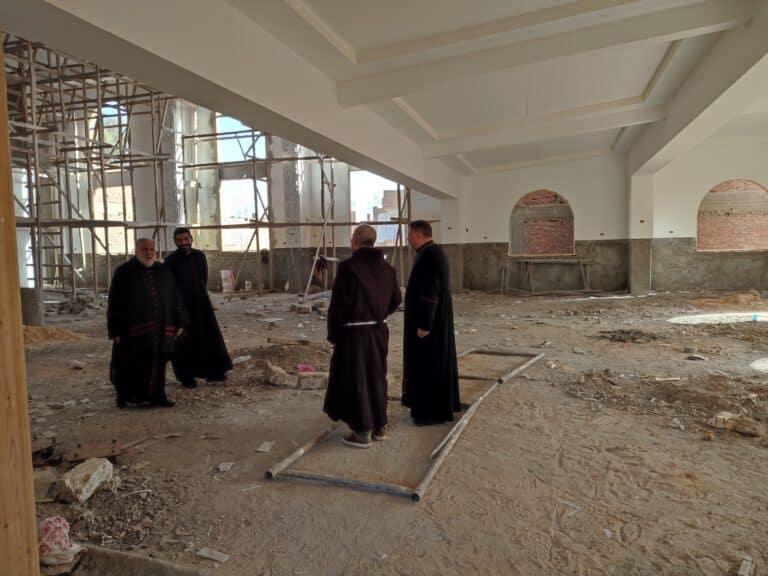
The "Vatican of Egypt," however, is not just about assistance; it is a life of faith that moves forward. The old church of St. Mary was demolished because it was collapsing. Now the community has a new building, but the old space has not been abandoned: it will become a service center, a place to gather and study.
And even if many Christians dream of leaving, the "Vatican of Egypt" continues to surprise with the vibrancy of its community and the richness of a communion that looks to the future. With a hope that is not merely optimism. It is the loving gaze that embraces you and does not abandon you.