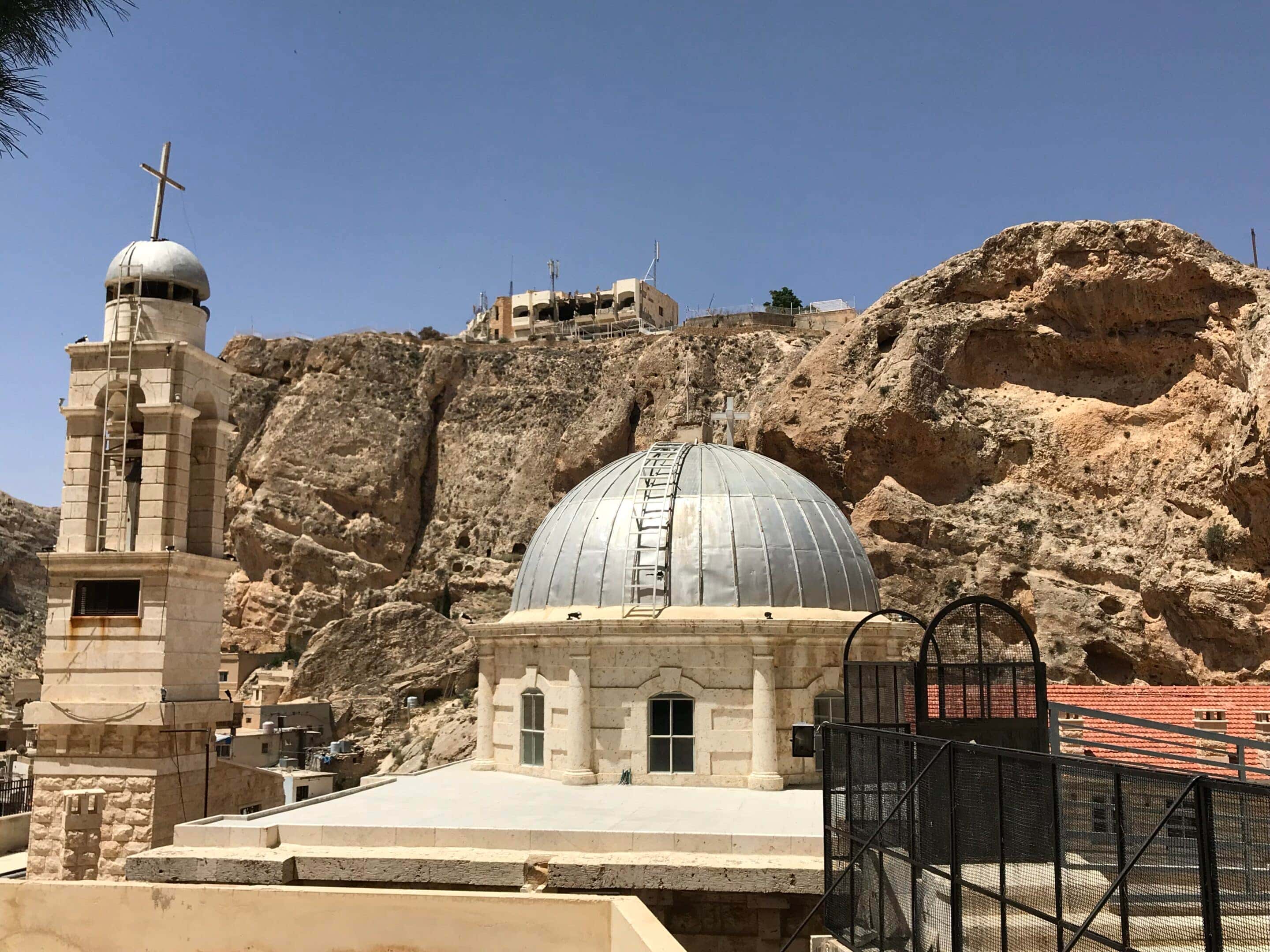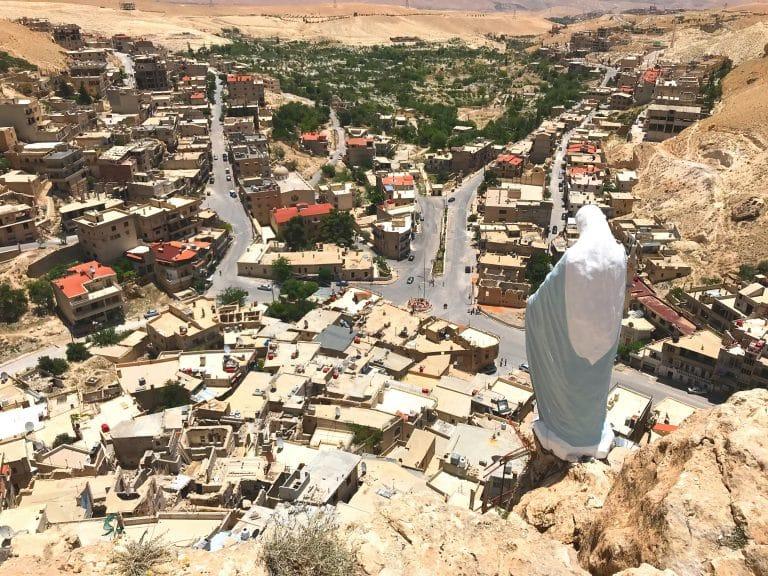
During the conflict that lasted for over 10 years, Maaloula was one of the towns that suffered the most. It is home to one of the oldest Christian communities that still speaks the language used by Jesus: Aramaic.
What language was spoken in Jesus' time?
Ecco il testo in inglese con i grassetti strategici per migliorarne la leggibilità, evidenziare i concetti chiave e renderlo perfetto per il web o per una DEM:
In the time of Jesus, Hebrew was already accompanied by another dialect, a Babylonian language spoken by Jews in their homeland ever since their return from the Babylonian captivity in the 4th century BC: Aramaic. The Old Testament had been written in Hebrew, which was no longer spoken in daily life during Jesus' era.
Ancient Hebrew was used exclusively in synagogue liturgies on the Sabbath, but few people understood its true meaning. It was a literary language, somewhat like classic Latin compared to the vernacular. Similarly, there was a more colloquial variant of Hebrew spoken by the middle class.
In the villages of Palestine, however—especially in the north—the common people spoke Aramaic. Jesus came from Nazareth and his early preaching took place in Capernaum, both located in Galilee, in northern Palestine where this dialect was most prevalent.
This is why we know that the first recitation of the Lord's Prayer was spoken in Aramaic.
As mentioned, the dialect is of Babylonian origin, and was thus widespread throughout the trade and influence network of that civilization. Present-day Syria was part of this area, and even today, Aramaic is still spoken in certain parts, particularly in Maaloula, home to one of the most ancient Christian communities.
Text of the Lord's Prayer in Aramaic
Abùn d’bàh’shmàyah (Our Father Who art in heaven)
Nech’ tha’dhà sh’smàh (hallowed be Thy name)
Titèl’ malkhutàh (Thy kingdom come)
Nèhweh zebianàh (Thy will be done)
Aikana d’bàh’shmàya af’ ba’hara (On earth as it is in heaven)
Hab’lan llahkhmah desunkana nihà’umana (Give us this day our daily bread)
Wash’buch’lan auh’bain’ (and forgive us our trespasses)
Aikana dhaf’ kh’nanh sbach’n’ le’haih’bain’ (as we forgive those who trespass against us)
Ula’ talàn ‘llen’siuna (and lead us not into temptation)
Elah ‘pazzàn’ ‘men bisha (but deliver us from evil)
Amèn (Amen)