




In Palestine and Jordan, cultural heritage becomes a vital tool for identity, cohesion, and the future. Through workshops, internships, school activities, and vocational training, we reach young people and communities at risk of losing touch with their roots.
CONTEXT & OBJECTIVE
Bethlehem and Hebron
Social tensions, combined with the political and economic crises gripping Palestine, heavily jeopardize the future of young people, who often face a present filled with frustration and a lack of prospects. In response to this situation, this multi-year project—targeting approximately 2,000 young people in the Bethlehem and Hebron areas—strengthens personal identity through cultural training pathways that solidify their connection to their land and origins.
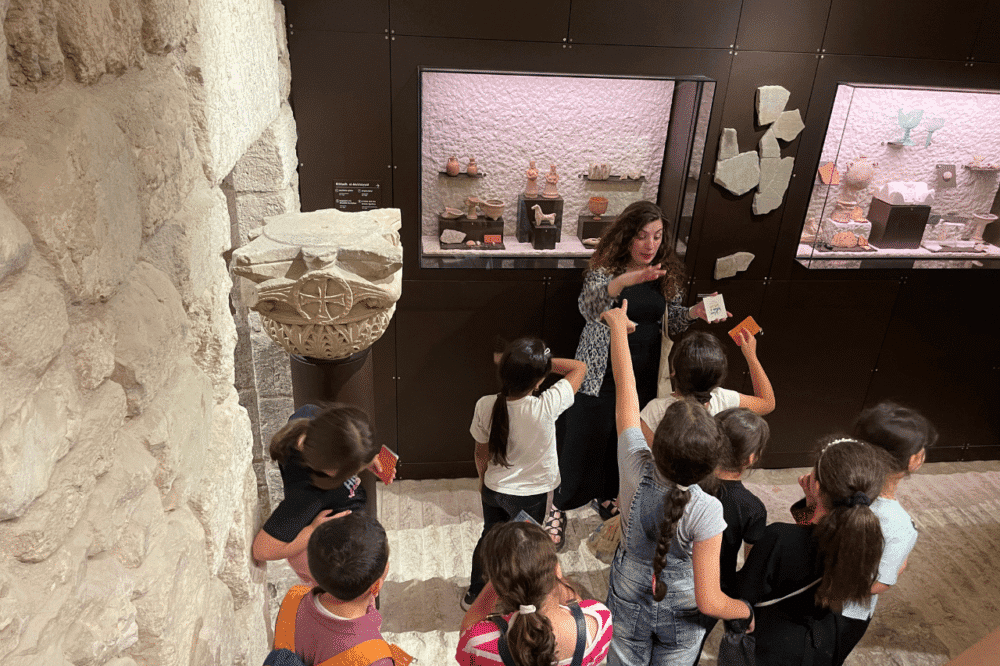
In 2025, through the CEI programs, students and teachers were deeply involved in journeys to discover local heritage:
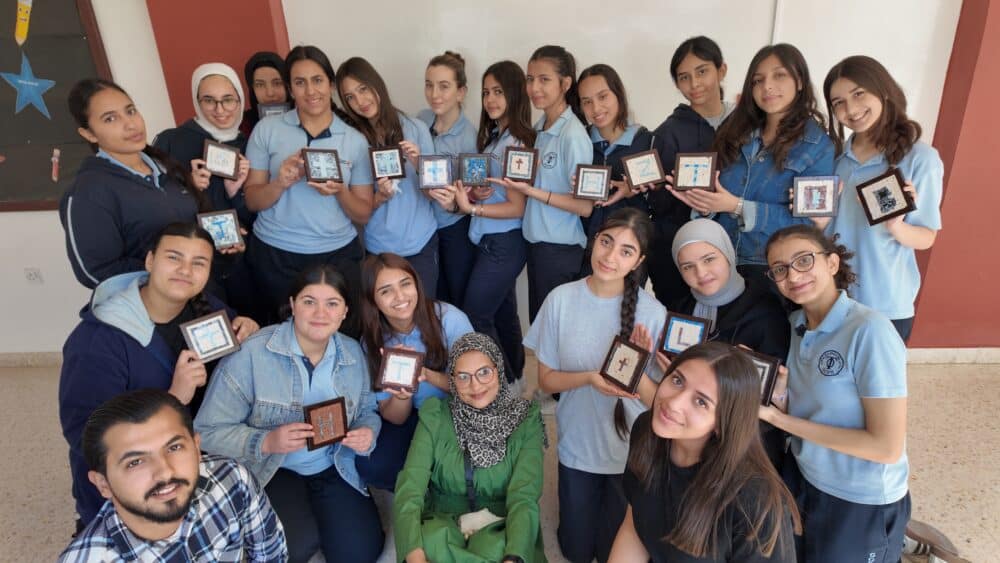
- Educational Outreach: Classroom lessons, field visits, and hands-on activities (including specialized mosaic workshops in Bethlehem) reached a total of 322 students and 17 teachers.
- Professional Training: In collaboration with Bethlehem University, a training program for Socio-Cultural Animators was successfully implemented, resulting in 13 trained students and 7 internships launched at local cultural institutions.
- Civic Engagement: An additional pathway focusing on leadership, coexistence, and the common good engaged 15 students across 17 intensive sessions.
- Community Events: Around 50 cultural events and workshops were held—covering storytelling, crafts, theater, music, cinema, cooking, museum visits, and intergenerational activities. These sessions averaged 20–25 participants each, drawing up to 50–80 people for public community events.
Jordan
In Jordan, initiatives surrounding cultural heritage operate on multiple levels, seamlessly intertwining training, school education, and sustainable employment.
Over the course of 2025, three interns - carefully selected from female graduates of the Faculty of Archaeology at Yarmouk University - completed a specialized four-month program at the Jordan Museum focusing on conservation, restoration, archiving, and developing educational tools for school visits.
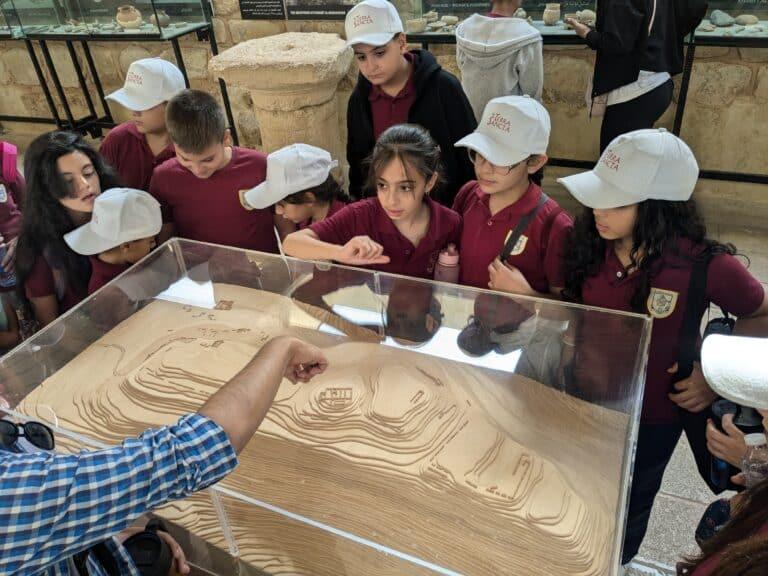
Heritage Education activities in schools reached 1,285 students across 11 institutions (including Madaba, Al Husun, Fuhais, Marka, and other locations) at various points throughout the school year.
The results show concrete, measurable improvement:
- The youth successfully became familiar with key cultural heritage terminology—ranging from Jordan's historical chronology to UNESCO guidelines, and from the Decapolis to World Heritage sites.
- Students developed a significantly deeper awareness of their national identity.
One of the primary goals of the program was to shape true "cultural ambassadors," and the profound changes observed in how these students now connect with their own history bear witness to this achievement.