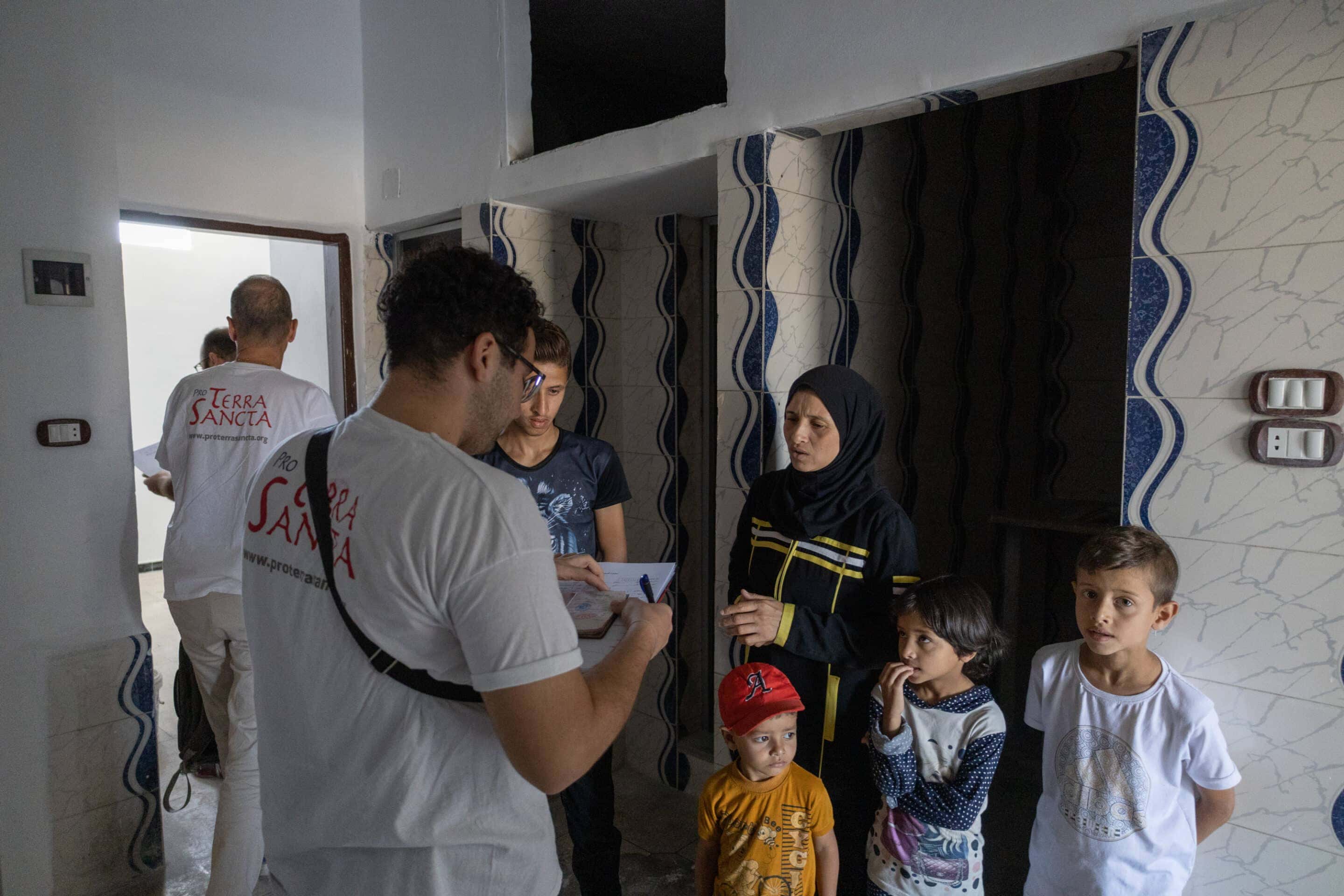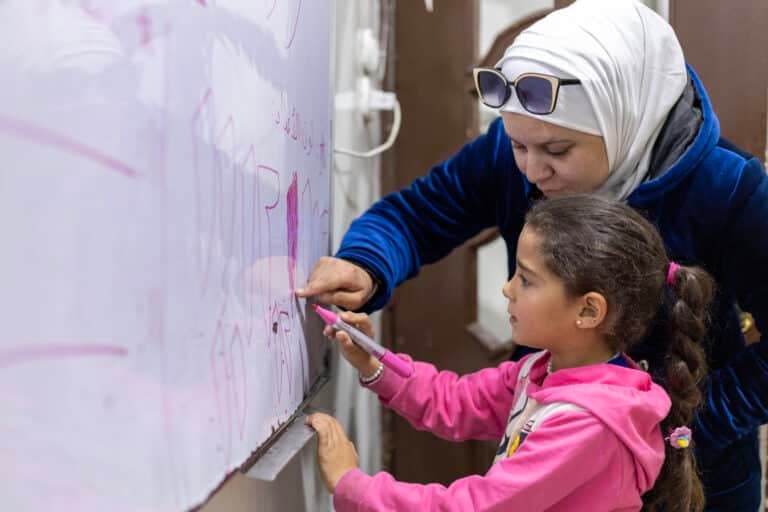


In December 2016, Syrian government troops recaptured the eastern part of Aleppo. The city was reduced to rubble, and exactly ten years later, in 2026, Aleppo was struck by a new humanitarian crisis caused by clashes between democratic and government forces. To this day, East Aleppo continues to pay an extremely high price for the reconquest and ongoing instability. Here, we help the most vulnerable segments of the population through support for the "A Name and a Future" project.
Educational Emergency
Syria is facing a severe school and educational crisis: according to official data, nearly 4 million children in the country are at risk of dropping out or are already out of school. The cost of school tuition in Syria is an unsustainable burden for most Syrian families: the average salary of a civil servant does not exceed $15 per month.
In addition to the problem of prohibitive costs, there is a lack of qualified teachers. Many have emigrated abroad following the displacement wave that hit the country after the outbreak of the civil war. The remaining teachers are forced to seek additional income by providing private lessons, often to the detriment of their educational commitment within public or private schools. As a result, families are unable to bear the financial burden of a complete education for their children, who in many cases end up dropping out to work and contribute to their family's survival.
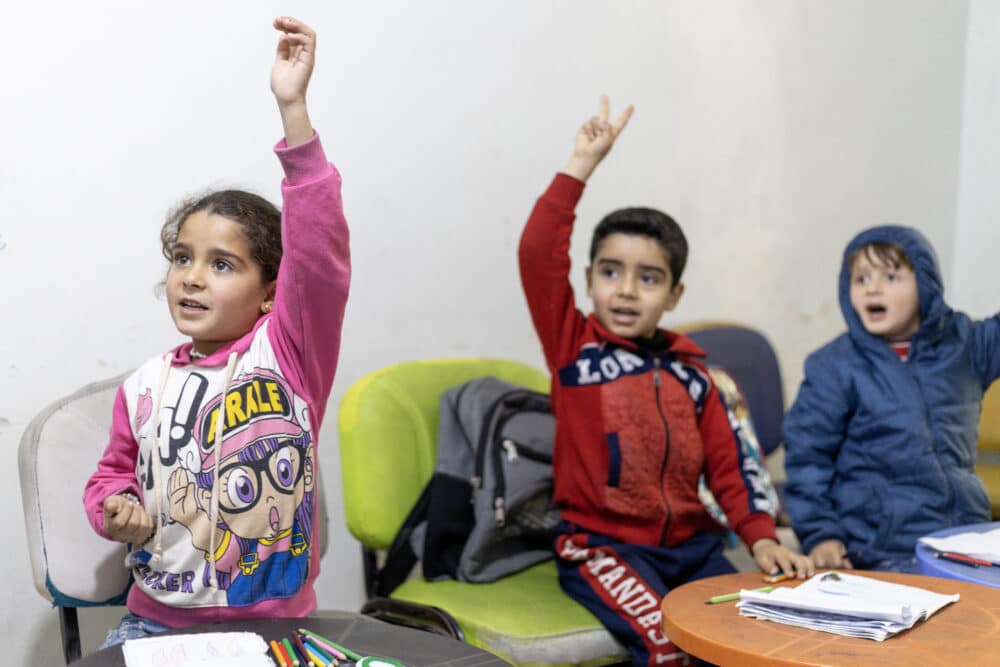
A Name, a Future: Our Three Centers in East Aleppo
The "A Name and a Future" project - born out of the joint efforts of the Apostolic Vicar of Aleppo, Mons. George Abou Khazen, Franciscan Father Firas Lufti, and the Mufti of Aleppo, Mahmoud Akam—offers care and protection to all orphaned and abandoned children in East Aleppo. In particular, it cares for children born from the frequent episodes of sexual violence suffered by Syrian women during the war, who are often marginalized and despised, along with their mothers, as bearers of sin. Furthermore, newborns are frequently denied access to the registry office, and consequently to the rights enjoyed by the citizens of Aleppo. The project fights to give these children a name, and therefore a future.
Through its three centers in East Aleppo - Karam Al-Daada, Al-Shaar, and Al-Maysar - the program offers an integrated system of services in the poorest neighborhoods of the city. In 2025, it reached 2,301 beneficiaries in educational programs, including remedial pathways for school dropouts, official middle and high school exams, and literacy courses for 534 women. Additionally, 277 children with disabilities receive rehabilitative and educational sessions, while 576 children participate in life skills activities.
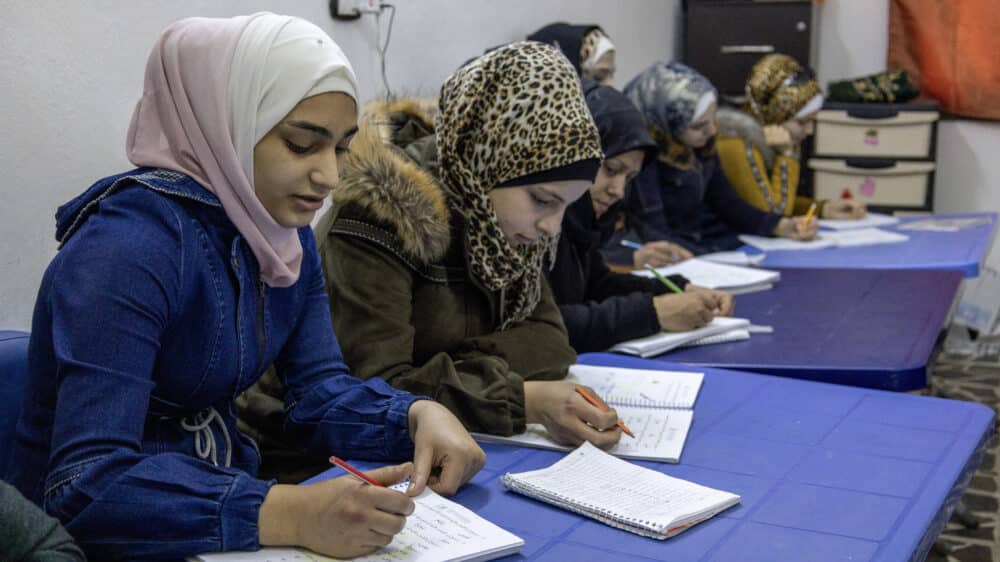
Supporting the Women of East Aleppo: Between Vocational Training and Trauma Recovery
Women who were victims of abuse and violence during the jihadist control of the area are offered a chance at redemption. When Aleppo was liberated, these women were left alone - unable to provide for themselves and fearful of acknowledging their own children. To begin living again with dignity and autonomy, these women first need work: "A Name, a Future" therefore offers them vocational training programs and support for starting independent activities through microcredit systems. Work is the first step toward autonomy and allows women to regain the social recognition they deserve.
Beyond vocational training and microcredit - all aimed at rebuilding personal and social independence - women survivors of violence also need support in processing their trauma. The project therefore ensures adequate psychosocial support as well. In 2025, the beneficiaries of this support reached 1,045. Free pediatric consultations are also provided.
Community and Cultural Life
The program also supports community and cultural life: conferences on the role of Christians in Syria, activities for young talents involving 120 boys and girls, the 1,2,3 Hope, Love, Life for Peace center with over 900 beneficiaries, and the musical initiatives of the Ensemble Classica and ARPA choirs, which bring beauty and cohesion to communities marked by daily hardship.