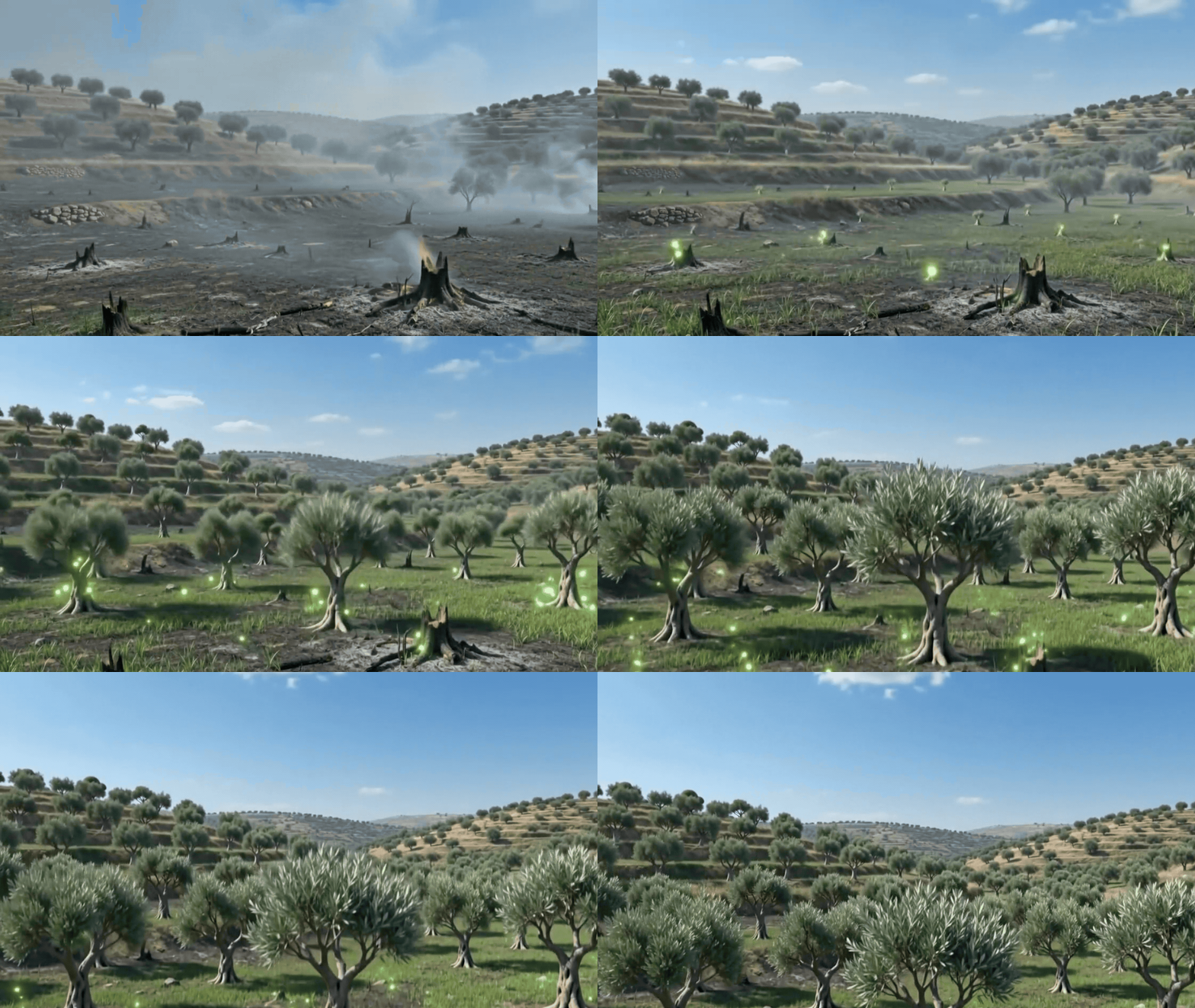

In the Valley of the Christians (Homs province), wildfires have devastated over 400 hectares of forest and farmland, destroying more than 90,000 trees, mostly olive trees.
For thousands of families, this goes far beyond a lost harvest: it threatens their livelihoods, their income, and a deep-rooted connection to a land cultivated for generations.
A Territory at Risk
The Valley of the Christians (Wadi al-Nassara) in Syria’s western Homs countryside encompasses roughly 30 villages across a vast, hilly landscape. For centuries, the deep-rooted presence of Christian communities has shaped the unique bond between the population and this land.
The Pillar of the Local Economy Olive trees are the beating heart of the valley. Far more than an agricultural crop, they are the primary—and often sole—source of stable income for thousands of families. The Threat to the Future In recent years, catastrophic wildfires have shattered this fragile balance:
- Over 90,000 trees destroyed or severely damaged.
- Hundreds of hectares of arable land lost.
- Decades of production cycles wiped out.
The fallout is both immediate and lasting: shrinking family incomes, widespread land abandonment, and a profound strain on the region's agricultural and social fabric.
The "Roots to Live" Project
Simply replacing lost trees is not enough: we must intervene with a scientific and preventive approach to enable the population to resume production as quickly as possible. Our integrated intervention focuses on three key actions:
- Care and Regeneration of Damaged Olive Trees: We treat partially burned trees using eco-friendly fertilizers and soil plowing. This allows the plants to bear fruit again in just 2–3 years (compared to the 5 years required for a newly planted tree).
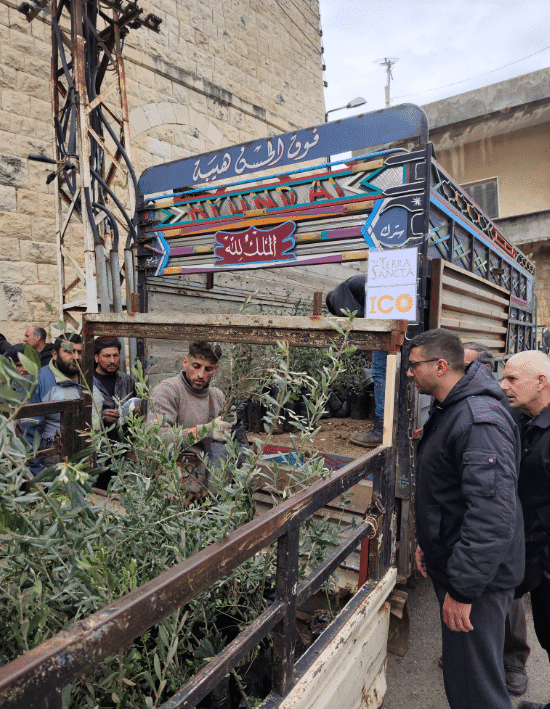
- Replanting New Olive Trees: We replace completely destroyed trees with young olive saplings sourced from local nurseries.
- Preventive Fire-Protection Strategy: We create strategic firebreaks, clear dry brush, and train local youth teams for rapid emergency response.