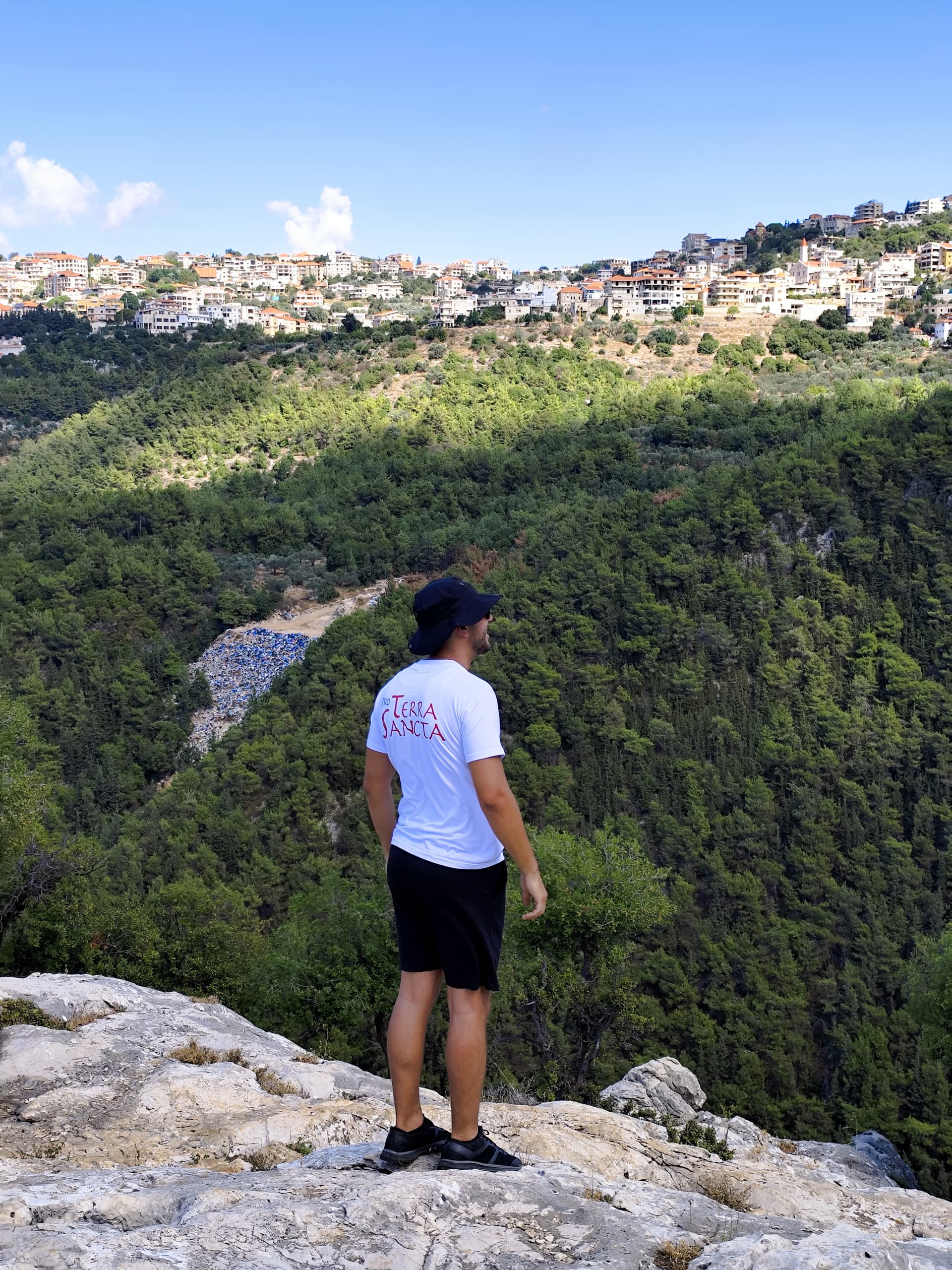

In a Lebanon steadfastly searching for new paths toward redemption and a brighter future, the beauty of its most authentic regions becomes the starting point for a concrete rebirth. In the north of the country, the Zgharta District is home to the Qaraqir Valley and the protected area of Wadi El Arayer: a mosaic of rural villages, unspoiled valleys, and age-old traditions that have long remained off the beaten tourist track.
It is right here that the "Stay On the Trail" project was launched in May 2025. Funded by AICS (Italian Agency for Development Cooperation), the initiative aims to enhance the region's natural and cultural heritage while boosting local socio-economic development.
The project is implemented by Pro Terra Sancta together with the Union of Zgharta Municipalities, working in close synergy with Green Community NGO, AITR (Italian Association for Responsible Tourism), and the National Autism Community, with the crucial support of the Embassy of Italy.
A Natural Heritage to Protect: Voices from the Field
The core of the initiative unfolds along Wadi El Arayer, a natural protected area since 2002 that stretches from the coastal area of Bnachii up to the Horsh Ehden Nature Reserve in the mountains. This valley encompasses the vast majority of the forest cover in the Zgharta District and serves as the hub for ecological and religious tourism in the region.
In the project's launch video, voices from the ground share the rich character of the region and the tangible work underway:
"The El Arayer Valley stretches over 28 kilometers and includes seven trails. We are responsible for cleaning and maintaining all the routes; the team working on them consists of young people from the Zgharta district, right from the heart of our community. The valley is preparing to become the benchmark for religious and eco-tourism across the entire region."
Entrusting the maintenance and enhancement of the trails to local youth offers them concrete job opportunities, enabling them to stay in their homeland and discover their role as guardians of their local heritage.
A Model for Participatory and Inclusive Growth
Following an initial phase dedicated to building partnerships and planning, fieldwork has already yielded remarkable results:
12 municipalities involved: establishing a shared, systemic management of the territory.
41 local hospitality businesses and tour guides engaged: receiving training programs to ensure responsible and professional hospitality.
171 economic and social stakeholders mapped: ranging from local crafts to agriculture, building an integrated economic network.
The project fosters 360-degree growth through targeted actions:
Training for public institutions and tour guides;
Support for female entrepreneurs and job-seeking youth;
Social inclusion and accessibility for people with disabilities (thanks to the collaboration with the National Autism Community);
Restoration and cleaning of over 30 km of mountain trails.
A Major Milestone: The Inauguration of Kfarhata Park
Demonstrating the tangible results of this collaborative effort, the Kfarhata Park in the Zgharta District was officially inaugurated in December.
The park's revitalization restores a safe, accessible, and functional public space to the local community—a hub for gathering, socializing, and connecting with nature that serves as a tangible symbol of cooperation between institutions, civil society organizations, and local residents.
Through restored trails, vibrant community spaces, and the promotion of local resources, "Stay On the Trail" is ready to welcome mindful travelers who travel slowly and directly support local communities.
A special thank you goes to our entire staff in Lebanon for their unwavering dedication and commitment. Pro Terra Sancta continues to walk alongside local populations, firmly believing that preserving heritage, fostering social inclusion, and protecting the environment are the keys to restoring dignity and hope in the Middle East.